 Click Allow to get more information on Of Phone Services for free!



-
Apple iPhone Air

-
Apple iPhone 17 Pro Max
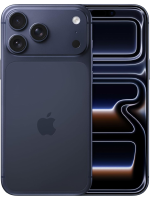
-
Apple iPhone 17 Pro
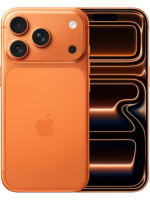
-
Apple iPhone 17
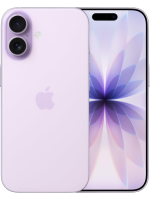
-
POCO X6 Pro 5G
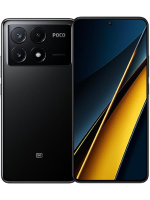
-
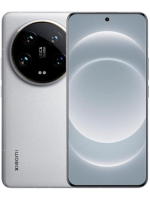
Xiaomi 14 Ultra
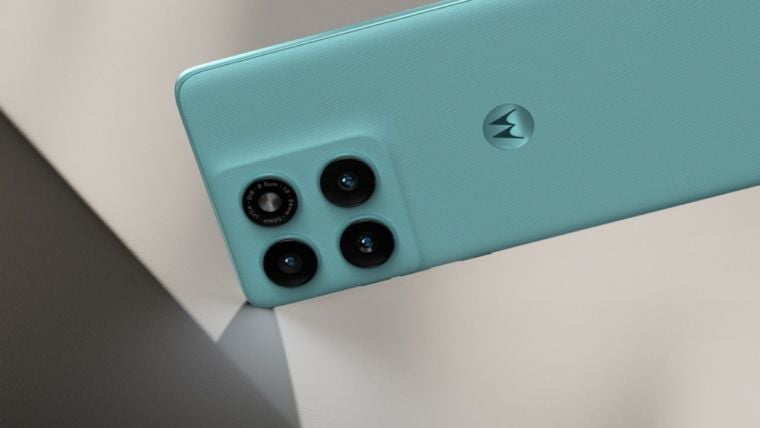
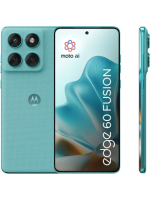
 Edge 60 Fusion


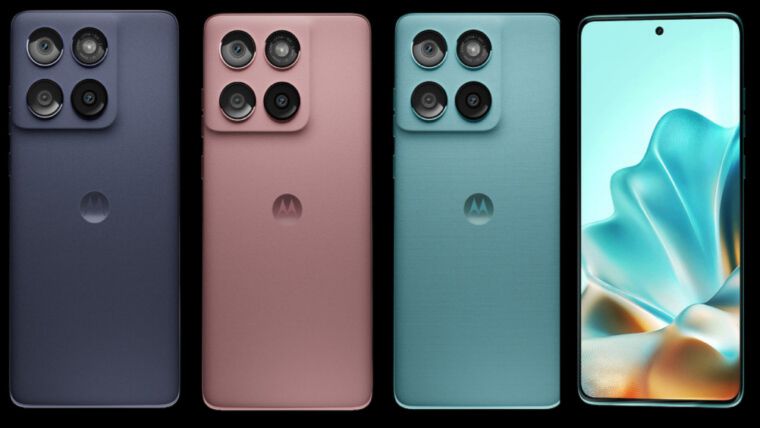
As soon as you pick it out from the box, the phone feels dynamically in reach: 185 g spread across a 6.7-inch frame that drops away to a reassuring 7.9 mm on the edges. Motorola has the glossy glass of the previous generation for what it calls a textured, polymatte composite that resembles frosted metal but doesn't show fingernail scratches or oily fingerprints.
Fire the pOLED panel to life and its personality brightens. The 144 Hz refresh rate is nothing that you've not heard before in terms of headline worthy content, but smoothness is an addiction in person. Twitter scrolling is smooth as riffling silk, and the panel’s calibrated color profile ensures it doesn’t suffer the green-tinged neon over-saturation that so often afflicts mid-range phones. Peak brightness now touches 1,600 nits, so map directions remain legible under the harsh Mediterranean sun, while DC dimming keeps late-night Kindle sessions gentle on tired eyes.
MediaTek’s new Dimensity 7400 hums along with unexpected composure. Built on a 4 nm process, the chip keeps eight cores dancing between 3.0 GHz bursts and frugal idle states. Paired with 12 GB of LPDDR5X RAM, the Edge 60 Fusion never once evicted a background podcast, even when I bounced between Lightroom, Slack and a Pixel-art game. Thermals are managed by a graphite vapor chamber that runs the length of the device; after a 20-minute game session the upper frame grew warm, not hot, and frame rates held steady at 55 fps on high settings.
What will truly elevate your week is battery endurance. Motorola has crammed a 5 800 mAh cell behind that slim profile, and combined with the adaptive 1-144 Hz refresh algorithm, the phone routinely delivered seven hours of screen-on time across two full days of mixed use. The included 68 W TurboPower adapter refilled 60 % in 25 minutes; by the time I finished airport security, the phone was ready for a transatlantic flight. Wireless charging remains absent, a cost-saving omission you will feel only when you forget the cable on a weekend trip.
Audio is a mixed bag. Stereo speakers get loud enough for conference calls, yet bass lacks the thump I enjoyed on last year’s Edge 50 Pro. The 3.5 mm jack, mercifully present, unleashed the full warmth of my vintage Sennheisers once I toggled Dolby Atmos’ “Music” preset. Haptics are tight and precise, a welcome upgrade over the mushy motors Motorola used to ship.
OxygenOS purists will feel at home with Motorola’s MyUX skin atop Android 15. Animations are brisk, the Google feed sits a swipe left from home, and the new “Ready For” desktop mode now launches wirelessly on any Miracast display. Motorola promises three major OS updates and four years of security patches, respectable, though Samsung still sets the longevity bar higher.
In conclusion, it will not snatch benchmark crowns, not will its camera usurp Pixel magic, but it pairs a punchy 144 Hz screen, marathon battery life and a reassuring hand-feel in something about half the price of the latest glass slab. In a market that’s addicted to headlines, Motorola’s quiet competence is refreshingly subversive.

|
Stunning 120Hz pOLED display. |
|
|
Premium Pantone-certified design. |
|
|
IP68/IP69 + MIL-STD-810H durability. |
|
|
Strong 68W fast charging. |
|
|
AI-enhanced 50MP camera. |
|
|
Moto AI productivity tools. |

|
Mid-range Dimensity 7300 chipset. |
|
|
No wireless charging. |
|
|
Average low-light photography. |
|
|
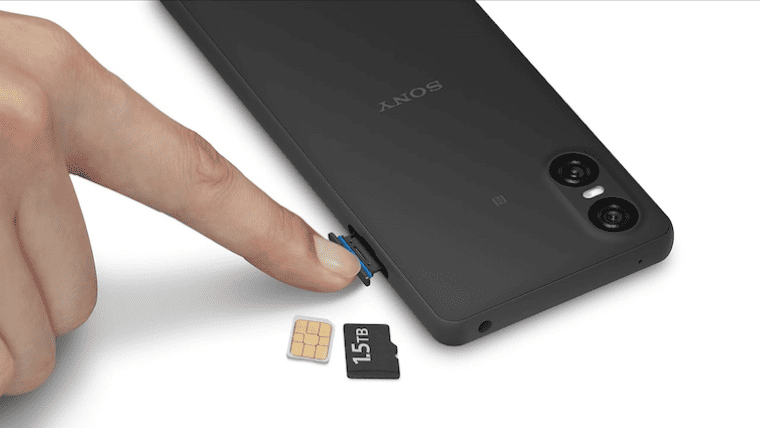
No 3.5mm headphone jack. |
|
|
Limited software update promise. |
|
|
Curved screen (polarizing design). |