 Click Allow to get more information on Of Phone Services for free!



California Government Provides Cell Phones to Foster Youth
Advertisement
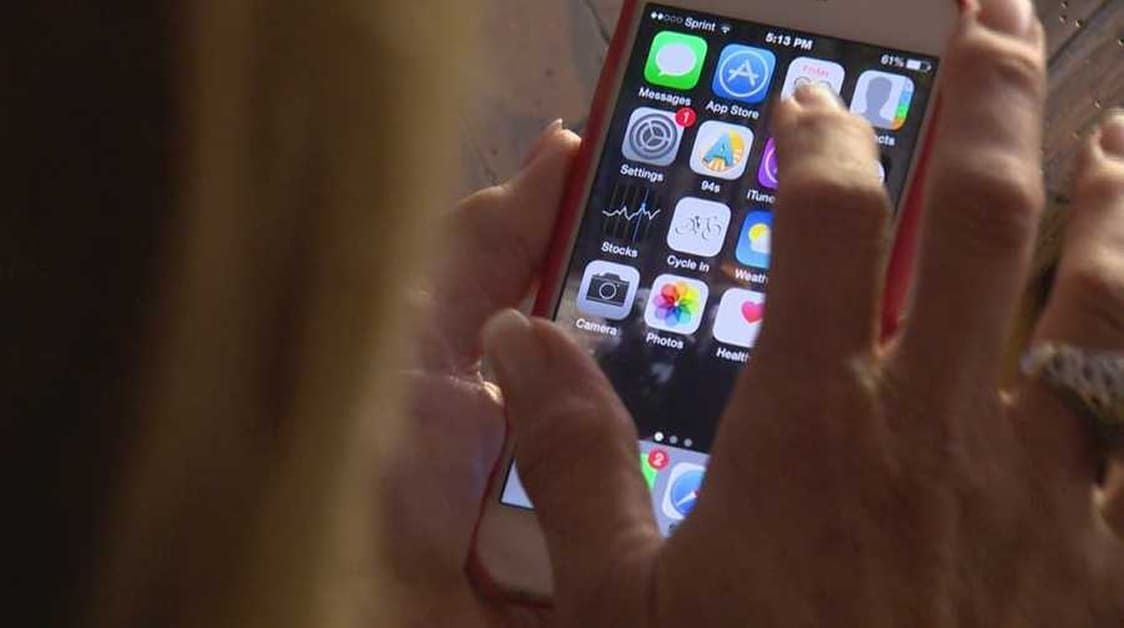
In a victory for vulnerable youth, California has permanently approved a program that will give free cell phones to foster youth, keeping them connected to important resources, classes and supportive people. Developed as a pilot program, the effort's success has since led state lawmakers to make the program a permanent benefit for hundreds of thousands of young people who age out of the foster care system.
1. Brief Introduction
The program, first implemented by California's Public Utility Commission in an effort to help bridge the digital divide for foster youth, ages 13 to 26, many of whom are not stably housed, have access to reliable internet or consistent communication tools. The commission expanded and made permanent a time-limited statewide pilot program in 56 counties in California for youth with $10 million distributed. The program has become permanent since February, 2023. Studies have found that foster youth are more likely to end up homeless, jobless and off the grid of support services after they age out of the system. To them, a cellphone is not a luxury, but a lifeline to caseworkers, for applying for jobs, for online education, and for keeping in touch with mentors and peers.
2. Reasons
Adherents for foster youth have long maintained that having a phone is a basic need in today's era of digital life. Without it, young people aging out of foster care can struggle to gain access to essential services, like medical care appointments or housing applications. The permanent expansion of this program is a recognition that connectivity is not a luxury but a basic component of stability and success.
California's action comes after years of campaigning by child welfare groups, foster youth themselves and lawmakers who described the hardships faced by those in foster care. Many of my former foster brothers and sisters have described how losing the ability to make a call made them isolated and cut off from being able to call for help in an emergency or even complete something as simple as scheduling an interview. The program provides eligible young people with a smartphone, complete with data, texts and minutes, eliminating one of the many barriers they confront as they strive to become self-reliant.
3. Influences
The move has been broadly applauded by social service agencies and youth advocates as a model other states can follow. Similar programs have been discussed in states like New York and Illinois, but California's permanent adoption sends a much more powerful signal. By ensuring access to technology, the state is setting people up for future success while providing long-term solutions to help stop the cycle of poverty and instability in foster youth.
For some of the thousands of young people who age out of foster care each year in California, the program is more than a phone — it is a tool for empowerment, safety and opportunity in an often uncertain world. California's leadership on this issue sends a powerful message: In a moment when connectivity is so relevant, so critical to our survival and our futures, no young person should go without the ability to reach out for help, for opportunity, into the open arms of people who care for and about them. In making this benefit permanent, the state is taking a small but significant step toward giving foster youth equitable opportunity, sending the message that even the most simple solutions can have the most profound impact.