 Click Allow to get more information on Of Phone Services for free!



-
Apple iPhone Air

-
Apple iPhone 17 Pro Max
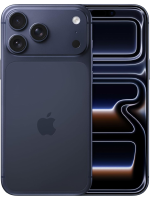
-
Apple iPhone 17 Pro
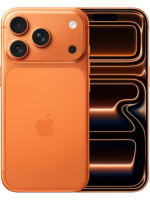
-
Apple iPhone 17
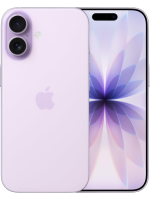
-
POCO X6 Pro 5G
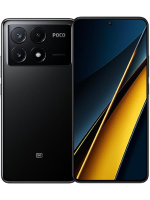
-
Xiaomi 14 Ultra
 Xiaomi 17 Pro


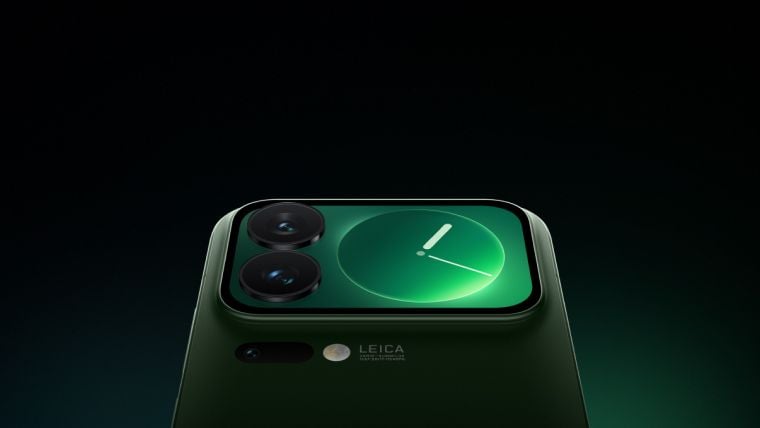
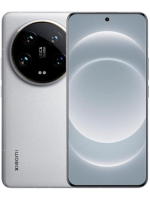
The Xiaomi 17 Pro is making a splash with its revolutionary dual-screen design, it's all-screen screen and unbeaten horsepower. And as a "smaller flagship," it's surprisingly powerful, couples top-of-the-line hardware with considerate software integration. Having tested the device at length, I can tell you that Xiaomi isn't hoping to compete — it's aiming to redefine what a premium smartphone should be.
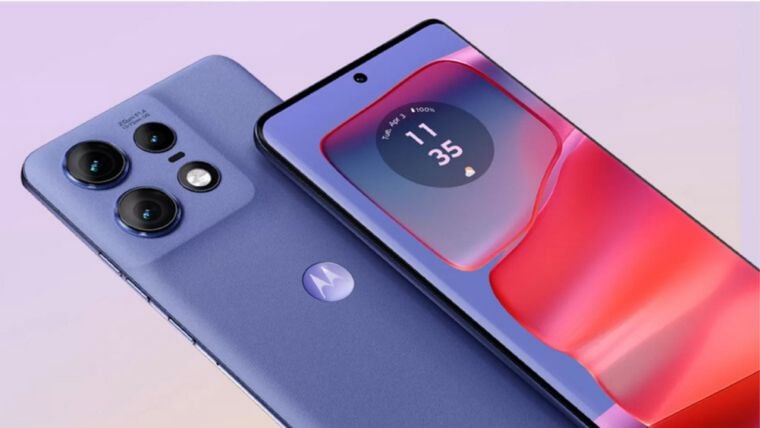
The 2.66 inch "Miracle Screen" on the back is the most impressive part of that portability. But far from a gimmick, this secondary display serves utility: It can show real-time notifications for ride-hailing services, food delivery or flights without having to flip the phone over. It's also a viewfinder for the rear cameras, so you can take high-quality selfies with that 50MP main sensor. And with Leica's color tuning, you get true skin tones and richer depth for a superior selfie. The screen works with interactive wallpapers, too, such as a weather, or gesture-reactive panda created by an AI program that adds an element of fun to daily use.
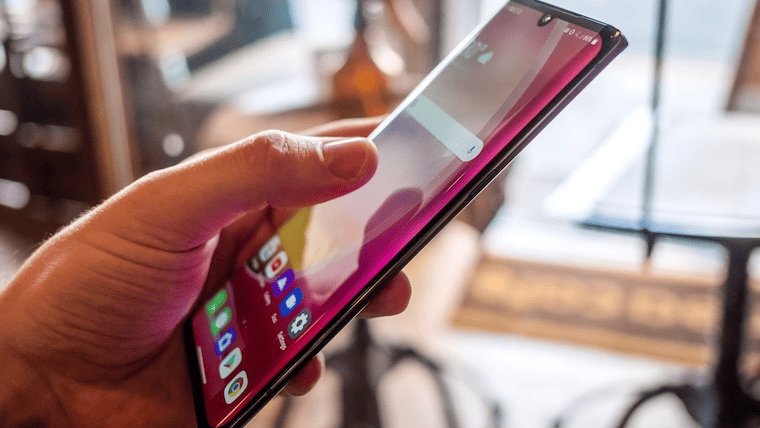
To the front, the 6.3 inch OLED screen is a feast for the eyes. The 1.18mm border, 1.5K resolution and peak brightness of 3,500 nits make for a display that is still readable directly in sunlight too. The phone's 120Hz adaptive refresh rate means smooth scrolling on the screen, and its under-display fingerprint reader unlocks swiftly. Despite its little more than 192g heft, it is surprisingly easy to grip and operate with one hand, a rarity in the phablet world of today's plus-size flagships.
This is where the Xiaomi 17 Pro stands out. Multitasking with the Snapdragon 8 Elite Gen 5 chip, which is built on the 3nm process, is very smooth, as too is the case with graphics-heavy games. The laptop could maintain almost 60fps in lengthy gaming sessions, thanks to its 4,637mm² cooling, which kept temperatures in check during benchmarks. Beyond that, there is also the 6,300mAh “Jinshajiang Battery”, which delivers a day of use with ease thanks to the 100W wired and 50W wireless charging support, which takes it back to 100% in about 40 minutes.
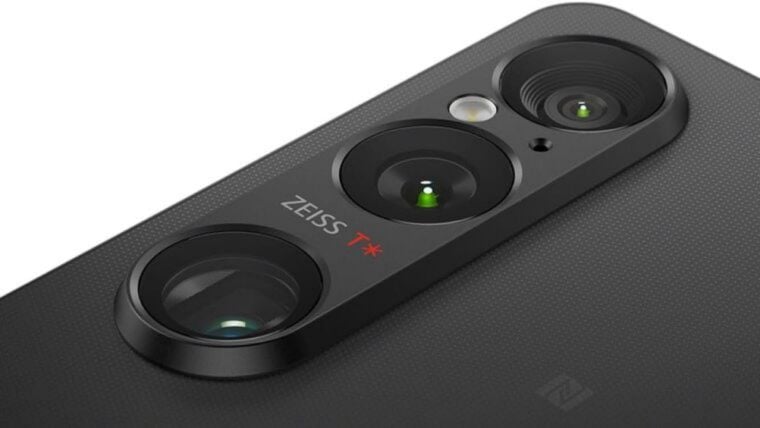
The photography department is an area of note and the company's collaboration with Leica pays off. That triple-camera system features a 50MP main camera (with a large 1/1.28-inch sensor), along with 50MP ultra-wide and periscope telephoto that can do 5x optical zoom. LOFIC (low frequency ionization coating) is JVCs high-dynamic range technology that delivers strikingly bright highlights and deep, rich blacks, with results even better than the actual on-location experience at up to 16.5EV dynamic range. Shots display the full scope of Leica's "real" colour palette and texture, from sunny day to low light.
However, the phone isn't flawless. There's a smudge-magnet rear screen that serves its purpose, albeit with some wear and tear. Some people may also find the camera module a bit thick, but it doesn't make Grip problematic. And although the HyperOS 3.0 experience was smooth, its second-screen software could use more third-party app support.
Starting at 4,999 yuan ($699), the Xiaomi 17 Pro is an excellent deal. It sports a distinct design, top-tier performance and battery life, as well as a variety of camera features. And proof that innovation isn't driven by the size of your canvas.

|
Top-tier Snapdragon 8 Ultimate performance. |
|
|
3500-nit bright adaptive OLED screen. |
|
|
Innovative Miaoxiang Back Screen. |
|
|
100W fast charging + 6300mAh battery. |
|
|
Leica-tuned triple-camera system. |
|
|
IP68 dust and water resistance. |

|
102° ultra-wide angle with limited view. |
|
|
Back screen requires official case for full functions. |
|
|
Higher weight than regular flagships. |
|
|
No expandable storage option. |
|
|
Premium pricing for high-end versions. |
|
|
Average low-light ultra-wide shooting. |