 Click Allow to get more information on Of Phone Services for free!



-
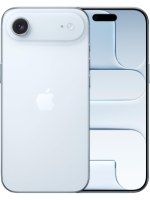
Apple iPhone Air
-
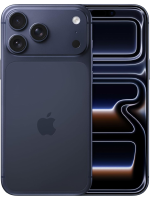
Apple iPhone 17 Pro Max
-
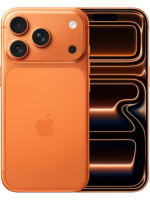
Apple iPhone 17 Pro
-
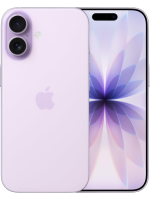
Apple iPhone 17
-
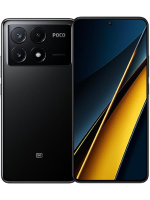
POCO X6 Pro 5G
-
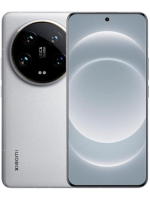
Xiaomi 14 Ultra

 iPhone Air


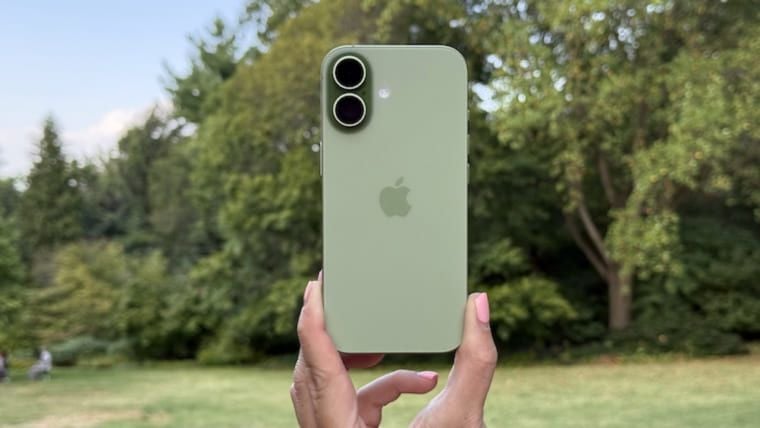
The most immediate impression made by iPhone Air is how vastly different it is to hold. At a mere 5.6 millimeters thick, the sensation is unlike any new iPhone. The Air is lighter, one-handed, and disappears in pockets or small bags in comparison with iPhone 17 or Pro Max. Nonetheless, the feather-light construction does not make the laptop feel delicate despite the titanium frame, despite the fact that under intense usage or during long gaming or 4K video recording the frame does become quite hot as do the heat issues of operating within so slim a form factor.
The multitasking on the A19 Pro chip is typically very high. Browsing, multitasking, and photography are used daily, and the benchmark performance is on par with the Pro models of last year. Sustained, graphics-heavy situations are where differences arise. Extended gaming sessions have a tendency to trigger thermal throttling sooner than on thicker iPhone 17 Pro, which has more internal cooling headroom. This does not leave the Air underpowered, but it does suggest that Apple prioritized thinness and portability over sheer maximum sustained performance.
The display is one of the strengths of the device. The 6.5-inch OLED with ProMotion brings rich colors, inky blacks, and silky smooth motion. 3,000 nits maximum brightness redesigns outdoor use, preventing the washed-out look of earlier models in direct sunlight. The adaptive refresh rate that plummets down to 1 hertz also lengthens efficiency, providing ammunition for the gaps of decent battery life in a frame as thin. Compared to iPhone 17, the Air’s screen is brighter and sharper, and when placed alongside Pro models, it holds its own in terms of clarity and responsiveness.
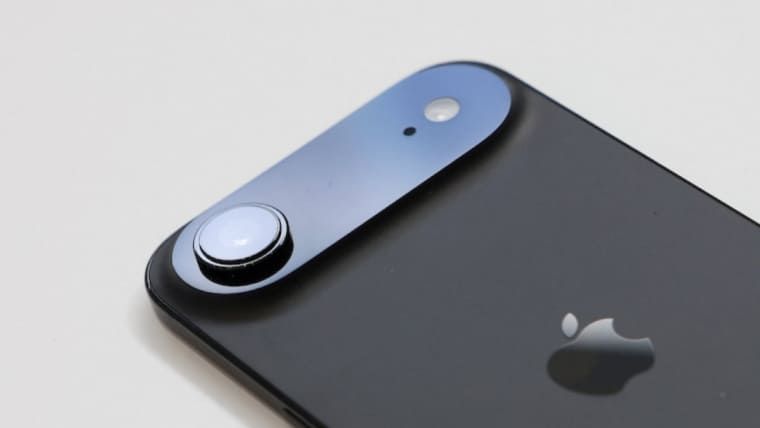
Photography is otherwise tackled. While Apple’s Pro line has multi-camera systems, the Air features a single 48-megapixel wide camera. Apple heavily relies on computational photography to deliver flexibility, stacking exposures and using its fusion algorithms to recreate depth and dynamic range gains. During daylight, outside in good lighting, photos are sharp and brightly colored, yet without an ultra-wide or telephoto camera, artistic framing is necessarily limited. Low-light capabilities are satisfactory for one sensor, but noise management and zoom capability are not up to Pro standards. The front camera is more impressive, using an 18-megapixel sensor and Center Stage to keep subjects framed when shooting video calls and incorporating the innovative aspect of enabling selfies to be taken in landscape or portrait orientation without having to move the device. Dual Capture, in which both cameras simultaneously record video, introduces convenience for social media personalities and vloggers.
Battery life is good but not exceptional. Apple quotes the Air at up to 27 hours of playback of local video or 22 hours of streaming. On a typical day of mixed use, it tends to last a day at work for casual users. Power users that stress gaming, video recording, or prolonged high brightness might have to be charged by nighttime. Apple offers a MagSafe battery pack that can extend life for up to 40 hours of watching video, an excellent addition for heavy travelers or content creators but yet another expense. There’s USB-C charging, but transfer speeds are capped at the sluggish USB 2.0 spec, a disappointment for pro users who have to work with big video files. Charging speeds themselves are adequate but fall behind the high-speed progress on a wide range of high-end Android rivals.
Still, compromises are evident. The absence of additional lenses reduces camera versatility, performance falters under extreme sustained tasks, and going the USB 2.0 route restricts pro workflows. While the battery actually lasts under regular use, it cannot match the capacity of larger models, and thus outside solutions are more required. Such limitations signal that iPhone Air is not designed to suit every kind of power user but to service a particular segment who value portability and sleek engineering above anything else.

|
iPhone Air is the thinnest of iPhones ever designed by the Apple company. |
|
|
It has a titanium frame that makes it remarkably durable despite the slenderness. |
|
|
The OLED screen is 6.5-inch with a peak brightness of 3000 nits. |
|
|
The ProMotion technology supports 120 Hz fluid interaction. |
|
|
The A19 Pro processor offers high performance and energy efficiency. |
|
|
The Ceramic Shield 2 is an enhanced glass with high resistance to scratches and to glare. |
|
|
The front camera is 18 megapixels with Center Stage dynamic framing. |
|
|
There is also a Dual Capture that enables both frontside and backside recording. |

|
Single rear camera does not offer versatility, as Pro models do. |
|
|
Thermal limitations lead to observable heating when they are engaged in lengthy gaming or recording. |
|
|
The battery has some problems with workload, and a frequent need to recharge during the day. |
|
|
USB-C port uses slower USB 2.0 data speed only. |
|
|
Wireless speeds are lower than Android competitors who have higher wired speeds. |
|
|
Absence of wide and telephones lenses limits creative photography. |
|
|
There is no DisplayPort support that limits compatibility with external monitors or AR. |