 Click Allow to get more information on Of Phone Services for free!



-
Apple iPhone Air

-
Apple iPhone 17 Pro Max

-
Apple iPhone 17 Pro

-
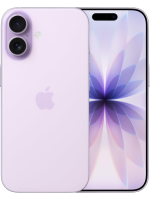
Apple iPhone 17
-
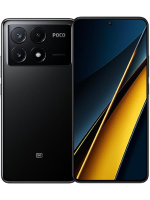
POCO X6 Pro 5G
-
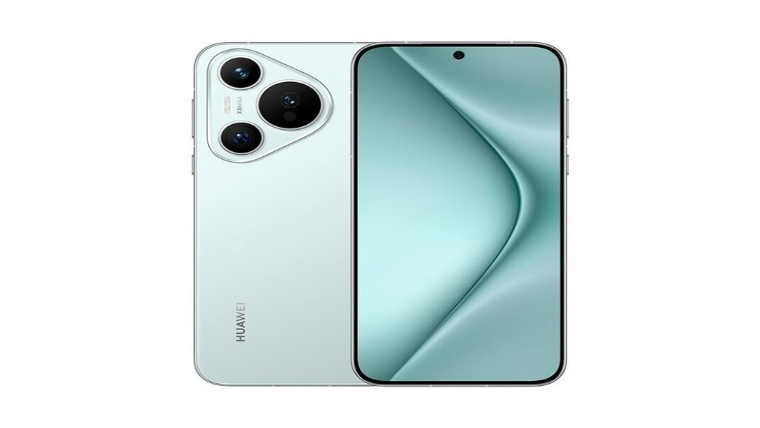
Xiaomi 14 Ultra


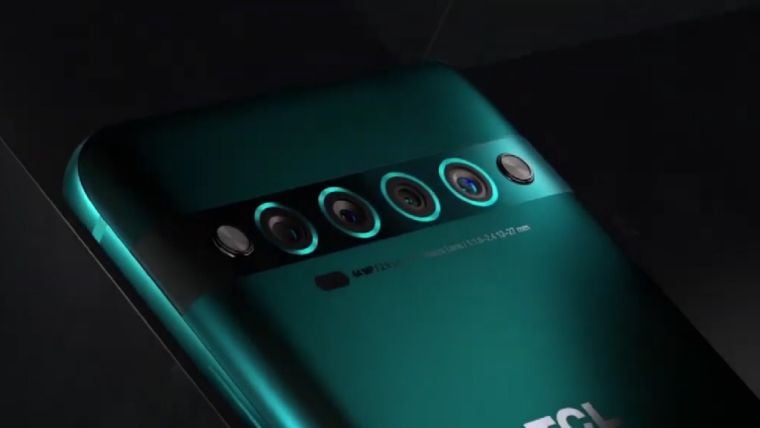
 Find X9 Pro


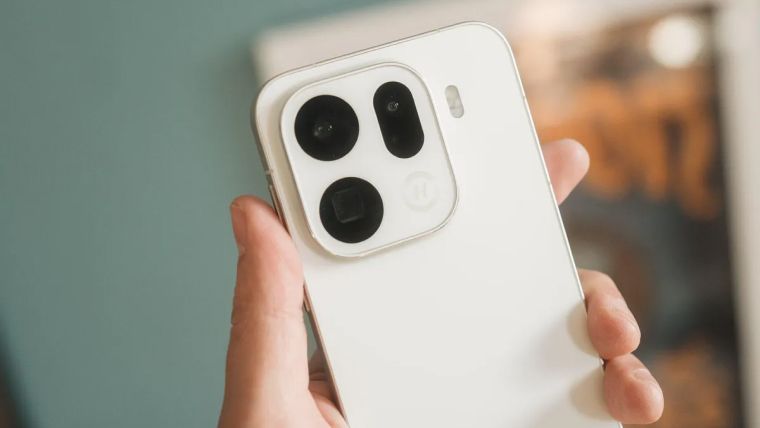
The Find X9 Pro is not just another yearly refresh; it is a conscious effort to create a flagship that remains memorable long after the initial excitement of the spec sheets has worn off. The moment you hold it the matte-aluminum frame and glass back feels cooler and more substantial than the market’s prevailing slippery, fingerprint-magnet surfaces, and the IP66, IP68, and IP69 ratings underpin a level of durability that extends past the usual splash-proof marketing cliché.
What truly sets the Find X9 Pro apart from its competitors is the new-generation Hasselblad Master Camera System. The principal attraction is a 200 MP periscope telephoto that employs a 1/1.56-inch sensor, a 2.1 f/2.1 aperture, and a 70 mm focal distance to produce authentic 3× optical quality with a 10 cm minimum focus distance. As a result, distant stage performers and timid wildlife become frame-filling protagonists without the use of intruding digital cropping. OPPO’s Active Optical Alignment process squeezes an additional 15% of resolving capability out of the glass while the LUMO computational engine halves CPU workload and power draw, allowing you to shoot 50 MP stills by standard contact instead of the usual 12 MP pixel-binned compromises.
Videographers get an equally fine deal. The main and telephoto modules can both shoot 4K 120 fps Dolby Vision HDR, and 10-bit LOG output with ACES color-space grade gives post-production a lot of room for post-production on a laptop — no banding, with no issue when color curves are pushed to the max. A new Stage Mode function, which adjusts the exposure cadence and audio gain for live concerts, ensures that booming bass lines don’t get obscured in distortion or laser light shows blow out the mids.
If you still require additional field of view, a Hasselblad teleconverter, which attaches magnetically to the back, increases optical zoom to 10×, at which time OPPO’s AI-driven Super Zoom algorithm artificially increases the equivalent focal length to a very silly 200× for photographs and 50× for video while avoiding turning the output into a watercolor. All this imaging strength would imply nothing if the phone was gasping for power at the bottom of a mountain trail, thus OPPO fitted a third-generation 7 500 mAh silicon-carbon battery into an 8.25 mm chassis — no small engineering achievement. The pack retains over 80 % of its capacity after five years of continuous charging, effectively outlasting most contracts or upgrades. An 80 W SUPERVOOC wired rapid recharge provides a day’s worth of power in the time it takes to sip a flat white, and 50 W AIRVOOC wireless charging removes daystand clutter while 10 W reverse wireless charging helps depleted earbuds or a friend’s phone in an emergency.
As expected, performance is flagship-level. The MediaTek Dimensity 9500 chipset records AnTuTu scores above four million, but the phone never gets more than lukewarm while playing games for hours on end because to a vapor-chamber cooling plate 18% larger than last year’s. ColorOS 16 was created with Android 16 in mind and includes hardware-level threading optimization as well as a “six-year fluency” commitment; that is, the animations remain buttery and the app launches instantaneous long after the honeymoon.

|
Flagship-Grade Display. |
|
|
Powerful Chipset. |
|
|
Versatile Camera System. |
|
|
Fast Charging. |
|
|
Premium Build Quality. |
|
|
AI-Enhanced Software. |

|
Heavy and Bulky. |
|
|
No Expandable Storage. |
|
|
Average Low-Light Video. |
|
|
Slower Wireless Charging. |
|
|
Limited Satellite Connectivity. |
|
|
Bloatware. |