 Click Allow to get more information on Of Phone Services for free!



-
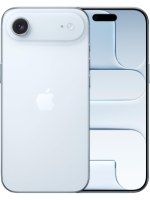
Apple iPhone Air
-
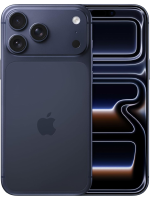
Apple iPhone 17 Pro Max
-
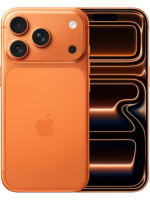
Apple iPhone 17 Pro
-
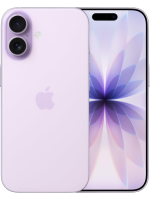
Apple iPhone 17
-
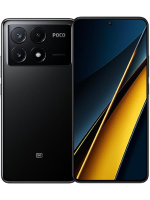
POCO X6 Pro 5G
-
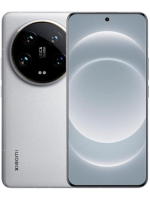
Xiaomi 14 Ultra

 G8 ThinQ


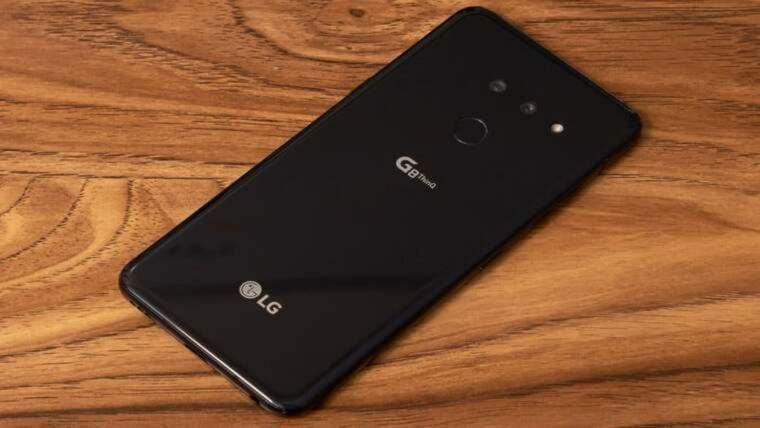
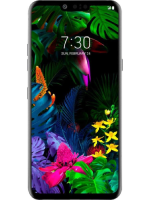
The LG G8 ThinQ that came out in 2019 was LG’s way to make a splash in a very tough flagship market. While it brought some interesting aspects — such as Air Motion gestures and Hand ID — it didn't quite nail the execution, rendering it a phone of innovative ideas rather than perfect delivery.
One of the G8 ThinQ’s most hyped features was its Air Motion control, which allowed people to get around the phone using hand gestures without even touching the screen. The concept was futuristic, but the execution was hit-and-miss gestures needed to be quite specific and slower than when you’d just tap the display. Hand ID was no less a technical marvel—instead of simply using one’s fingerprint to unlock the phone, it used vein recognition—but it was hampered by low response times and spotty reliability, particularly in the cold.
What the G8 ThinQ did get right was its display and audio. The 6.1-inch OLED screen featured a sharp QHD+ resolution and vibrant colors, compared to the punch-hole design of rivals like the Galaxy S10, it did look a bit long in the tooth, but not so bad in practice when watching content or gaming. LG Crystal Sound OLED technology replaced a speaker with the screen even vibrating to produce sound, in an effort to reduce muffling when the phone is held. Audio testing told a different story, however, with low levels of bass and a thin sound performance giving it a disappointing DXOMARK audio score of 52.
As for power, the Snapdragon 855 processor and 6GB of RAM make sure you'll have no trouble multitasking and playing games, on par with competitors such as the Galaxy S10E. Battery life was acceptable with the 3,500mAh cell managing to last a day, though fast charging was slower than rivals. 3.5mm headphone jack and Quad DAC must have been a godsend for audiophiles but the audio experience didn’t inspire much with the lacklustre speakers.
It has a dual-camera system (12MP standard wide + 16MP ultra wide), and its daylight photos especially looked crisper overall and had good dynamic range, but lowlight photos weren't as strong compared to competitors like the Pixel 3 and Galaxy S10. The TOF sensor made possible portrait and video depth effects, but the bokeh video mode was hit or miss with its artificial-looking blur. The camera received an overall score of 96 from DxOMark, which places it behind the likes of the 2018 flagships such as the OnePlus 6 – underscoring its difficulties in a cut-throat camera driven market.
Ultimately, the LG G8 ThinQ will be remembered as a phone of bold ideas, some realized, others half-baked. Its marquee features (Hand ID, Air Motion) were extra gimmick, less useful while its foundations (display, headphone jack) were negated by weakened audio and camera. At its original price of $800, it was tough to recommend over competitors like the Galaxy S10E. But as a budget device for today, it's definitely an intriguing take as a sign that LG's ambitious—if less than perfect—flagship attempts.

|
Quad DAC headphone jack. |
|
|
Crystal Sound speaker innovation. |
|
|
microSD card expansion. |
|
|
IP68 & MIL-STD-810G durability. |
|
|
Compact lightweight footprint. |
|
|
Wireless charging support. |

|
Small 3,500 mAh battery. |
|
|
Slippery curved glass back. |
|
|
Slow 18 W wired charging. |
|
|
No dedicated telephoto lens. |
|
|
Air Motion gestures finicky. |
|
|
Limited future OS updates. |