 Click Allow to get more information on Of Phone Services for free!



-
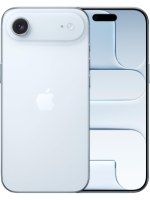
Apple iPhone Air
-
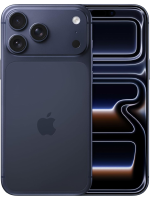
Apple iPhone 17 Pro Max
-
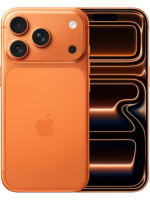
Apple iPhone 17 Pro
-
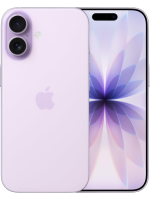
Apple iPhone 17
-
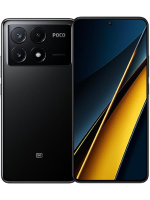
POCO X6 Pro 5G
-
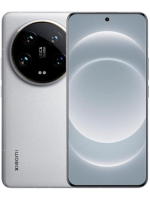
Xiaomi 14 Ultra
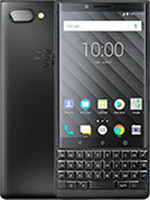
 BlackBerry KEY2


With plenty of new important upgrades over its predecessor, KEYone, BlackBerry KEY2 houses the Qualcomm Snapdragon 660 processor coupled with 6GB of RAM. The latter is, however, sufficient for running some resource-demanding processes like web browsing, messenging, urgent multitasking, and so on. That said, in front of flagman devices that pack Snapdragon 845 chipsets, it loses ground. Sufficient for the user who doesn’t use this device for gaming or other high-performance programs, only for productivity: KEY2.
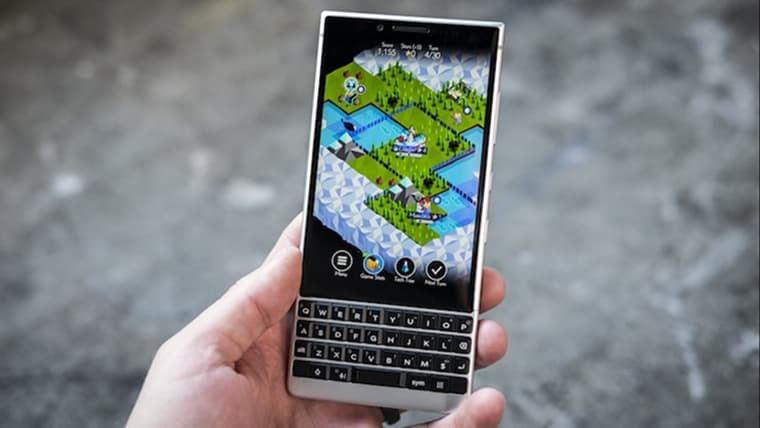
So, one of the major highnotes of KEY2 is surely the improved keyboard. In comparison with KEYone, KEYs are 20% bigger, which adds a lot of speed and precision to typing. It contains a matte finish and a reduction in the height between the rows to provide comfort during longer types. Also, every key is customizable with a shortcut-actually up to 52-for easy access to applications without needing to return to the home screen.
In terms of display capabilities, KEY2 retains the same 4.5-inch IPS LCD screen with a resolution of 1620 x 1080 pixels as its predecessor. While this display is functional for most tasks—especially since it allows for side-by-side multitasking — it does exhibit some limitations in color vibrancy and viewing angles when compared to contemporary smartphones with OLED displays. This means that while serving quite well for typing and basic media consumption, it may not please those users craving an immersive visual experience.
KEY2 is very good in terms of battery life too. With its 3,500 mAh battery capacity, users can get up to two days of normal usage, which is actually very hard to find in modern smartphones. Supporting Qualcomm’s Quick Charge 3.0 technology, users can refill the battery in a relatively short time, even though it lacks wireless charging, which might be a drawback for some users.
Improvements have also been made to KEY2’s camera system, sporting dual 12-megapixel cameras on the back - which, for the record, are a big upgrade compared to the ones used in KEYone. The primary sensor boasts an f/1.8 aperture, which captures some decent photos under good lighting conditions, while offering options such as portrait mode. But low-light performance remains a challenge, and images lack detail and vibrancy compared to competitors like the Samsung Galaxy S9 or Google Pixel series. The front camera is an 8-megapixel unit that does an acceptable job of selfies but without distinguishing it from other recent smartphones.
Speaking of pricing and market positioning, the price tag on BlackBerry KEY2 at launch was generally quite competitive at $649 for a productivity-focused smartphone rather than an out-and-out multimedia monster. KEY2 comes in two main storage options: 64GB and 128GB. The latter is only available in limited markets, while both are expandable via microSD card.
With all these strengths, there are significant weaknesses with KEY2. The physical keyboard layout may be difficult for users who migrate from modern all-touch devices to get used to in the first few days. Secondly, as much as BlackBerry’s focus on security through features such as DTEK Security and Privacy Shade is commendable, not all consumers care about security, but rather entertainment features.
In the end, BlackBerry KEY2 might not be able to stand in line with flagship devices in terms of raw power or camera capabilities, but it’s a very well-thought-out productivity tool for those professionals who value efficiency and security above everything else. Because of this unique combination of hardware improvements over its predecessor, it seems like an interesting proposal both for the devoted BlackBerry fan and anyone seeking an alternative smartphone experience, one that focuses on communication and being productive rather than consuming multimedia.

|
Best-in-class physical keyboard with quick access through customizable shortcuts. |
|
|
Advanced security features for enterprise-grade protection to business users. |
|
|
Marvelous battery life, as long as thirty-five hours of usage. |
|
|
Speed Key launches apps in one click from any screen. |
|
|
Great multitasking experience with generous six gigabytes of RAM. |
|
|
Physical keyboard doubles as touch-sensitive trackpad for precise navigation. |

|
Relatively more expensive than phones that have similar internal specifications. |
|
|
Camera performance lags behind the competitors, especially in low light. |
|
|
Smaller screen size may limit multimedia and gaming experiences. |
|
|
Mid-range processor struggles with demanding apps and heavy games. |
|
|
Physical keyboard eats up room that could have been used for the view of content area. |
|
|
Niche design may not appeal to mainstream smartphone users. |