 Click Allow to get more information on Of Phone Services for free!



-
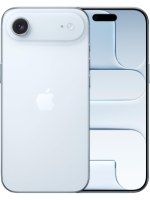
Apple iPhone Air
-
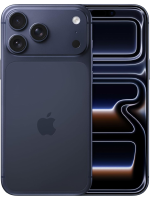
Apple iPhone 17 Pro Max
-
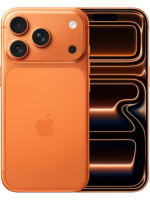
Apple iPhone 17 Pro
-
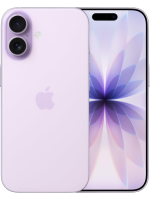
Apple iPhone 17
-
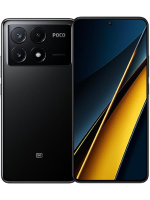
POCO X6 Pro 5G
-
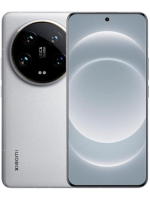
Xiaomi 14 Ultra
 iPhone 17 Pro Max


Compared to iPhone 16 Pro Max, the variations are both aesthetic and functional with major updates that distinguish this model from its direct predecessor.
The change in design is immediately noticeable. The phone’s back abandons the corner-accumulated camera module for a wide band stretching across the upper half of the phone, creating a more distinct professional finish. This helps with the visual weight but also with the message of the camera system being central. The top aluminum and bottom half glass create a hybrid finish that’s useful and visually distinctive. The phone weighs 233 grams as compared to the previous generation which could be a problem in terms of the usability of the phone in the hands of the user, but the drop resistance and the presence creates a solid image of quality.
Its display is still based on a 6.9-inch OLED ProMotion panel fully supporting up to 120 hertz adaptive refresh rates. Its most important improvement is the peak outdoor brightness which peaks around 3,000nits, an entire 1,000 nits more than its predecessor. That change fixes one of the most common usability problems: readability in direct sunlight. Along with Ceramic Shield 2, the scratch-resistant boost, and an anti-reflect coating, the screen demonstrates technical finesse and utilitarian benefit. Color rendering remains exemplary, with solid HDR capability and black-as-coal blacks, placing iPhone 17 Pro Max squarely at the top of the visually striking devices available in 2025.
Performance is one of the greatest upgrades. The A19 Pro chip, which is backed by 12 gigabytes of LPDDR5X RAM, not only promises responsive day-to-day use but also more stable performance under long loads. The inclusion of a vapor chamber cooling system is at the core of such success. In situations of prolonged gaming or working with professional video editing, the device performs at increased frame rates without throttling that is experienced in the 16 Pro Max. The move bridges the gap with leading gaming-centered Android smartphones, where Apple is now more competitive in an arena it once lagged behind in.
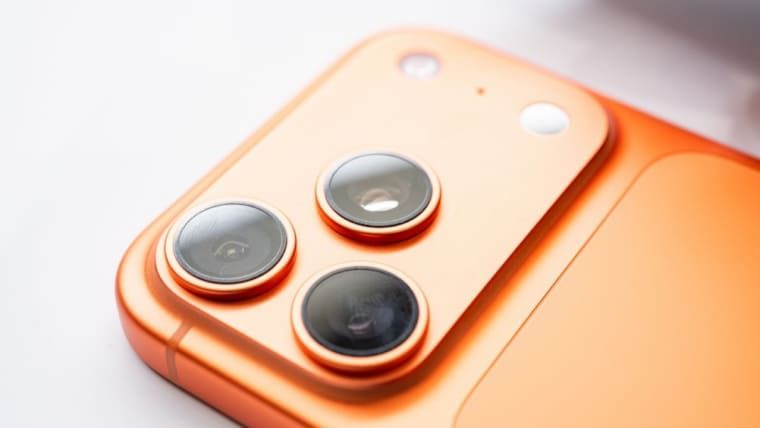
The camera hardware is probably the publicity grabber. The three on the back each deliver 48 megapixels, but the telephoto one stands out with its tetraprism architecture and capacity to capture an 8× optical crop. Its increased sensor size over the previous generation enhances its performance in low light and minimizes noise in challenging environments. The large wide camera records the shots with great detailed motion with high dynamic range whereas the ultra-wide lens offers the same sharpness appearance on most parts of the frame. The front receives an 18-megapixel upgrade as well, so it’s a more appropriate camera for selfies and actual video calls. Early customer feedback captures occasional artifacts under high-contrast lighting conditions, such as black rectangles or white streaks when photographed using bright LEDs. While that is likely to be resolved by software updates, it does demonstrate that even a highly advanced system of this size is not infallible.
Battery life is enhanced by a larger cell, ranging from around 5,000 milliamp-hours depending on the model variant. Apple’s 37-hour video playback feature is the best demonstration of how useful this extension is in real-life usage. In everyday mixed usage, the device comfortably lasts longer than its predecessor, which translates into a few hours more of life. 40-watt fast charging provides 50 percent in the space of twenty minutes, and MagSafe and Qi2 provide wireless alternatives. The added longevity is most important to users who are traveling, gaming, or engaged extensively in creative workflow.
Storage options now extend further than ever before. The entry-level model begins at 256 gigabytes, with higher-priced ones at 512 gigabytes, 1 terabyte, and an eye-boggling 2 terabytes. This makes iPhone 17 Pro Max a viable substitute for a dedicated camera and laptop storage in professional applications. Wi-Fi 7, Bluetooth 6.0, and USB-C are also improved to enable 10-gigabit data transfer. These modifications testify to the fact that Apple keeps in touch with the changing requirements in the industry, now being able to be a few years to come.
There are also concessions that temper the appeal. The increased thickness and weight reduce portability and convenience over long one-handed use. The polarizing fresh back design may not appeal to all, since some would have been content with the less flashy style of the previous model. Micro-scratches aside improved protective coatings, suggest that toughness has limits. While the camera system is a technical triumph, early picture artifacts remind us of the reality that new hardware sometimes accompanies unforeseen complexity.

|
The cooling system in vapor chamber guarantees the consistency of long-term performances. |
|
|
The zoom uses the 8× telephoto lens which produces astonishingly sharp images after they are zoomed. |
|
|
The Ceramic Shield 2 delivers a better scratch protection than the prior glass did. |
|
|
The external brightness of 3,000 nits maximizes the readability of the sunlight. |
|
|
The bigger 5,000 mAh battery offers much longer daily performance. |
|
|
Professional storage is now available up to 2 terabytes. |
|
|
It has the best processor chip, A19 Pro, which is fast and efficient. |

|
Weighing233 grams, the phone becomes heavy to operate one-handedly. |
|
|
The rear plateau wide shot design seems to be a divisive aspect to the consumers. |
|
|
Sometimes camera artifacts may show when the lights are difficult or mixed to LED. |
|
|
Greater thickness makes the pockets less comfortable than before Pro Max. |
|
|
Micro-scratches are still seen even when the Ceramic Shield 2 is stronger. |
|
|
Its size does not allow typing with one hand when conducting their daily needs. |