 Click Allow to get more information on Of Phone Services for free!



-
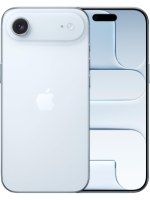
Apple iPhone Air
-
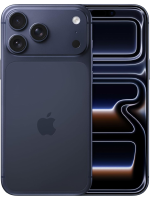
Apple iPhone 17 Pro Max
-
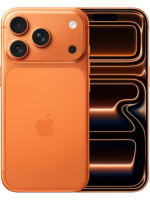
Apple iPhone 17 Pro
-
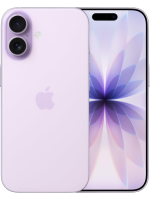
Apple iPhone 17
-
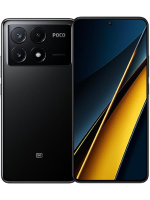
POCO X6 Pro 5G
-
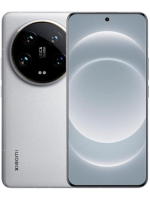
Xiaomi 14 Ultra

 iPhone 16


The new released iPhone 16 has an OLED touch screen display with a measuring size of 6.1 with a pixel density of 2556 X 1179. While it stays the same size as before, Apple has introduced new micro-lens technology that increases brightness while reducing power consumption. One overt omission, though, is the 120Hz ProMotion display-our model still sports a regular refresh rate of 60Hz. That’s one slight disappointment for those that enjoy the fluidity of scrolling on other, similarly-priced devices.
Other than this, everything has remained the same in terms of design, although it does have newer button positions and a revised cutout for cameras to house the Spatial Video feature. It also features Ceramic Shield glass, which Apple says is twice as tough as earlier versions.
At the heart of iPhone 16 lies an A18 chip, making more significant leaps in terms of processing compared to its predecessor, the A16 Bionic on iPhone 15. Benchmarks prove this new chip outperforms the previous generation by about 2% in single-core and about 3% in multi-core. When it comes to more practical usage, this simply translates into seamless multitasking and smooth gaming without hitches or dropped frames.
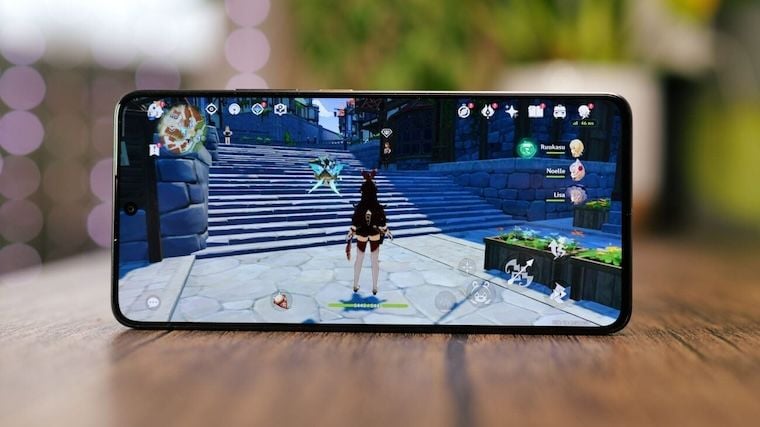
The GPU is also improved, although a tad slow compared to Pro models, above-par performance compared to most in its class. That will translate into users getting good gameplay with smooth rendering on graphically needy games like “Call of Duty: Mobile” and “Genshin Impact”.
Battery life remains one of the standout features of iPhone 16. With a capacity of approximately 3561mAh, users can expect up to 22 hours of video playback — an increase from the previous model’s capabilities. In real-world usage scenarios involving social media browsing, music streaming, and video playback, users have reported around six hours of screen-on time with around 20% battery remaining at day’s end.
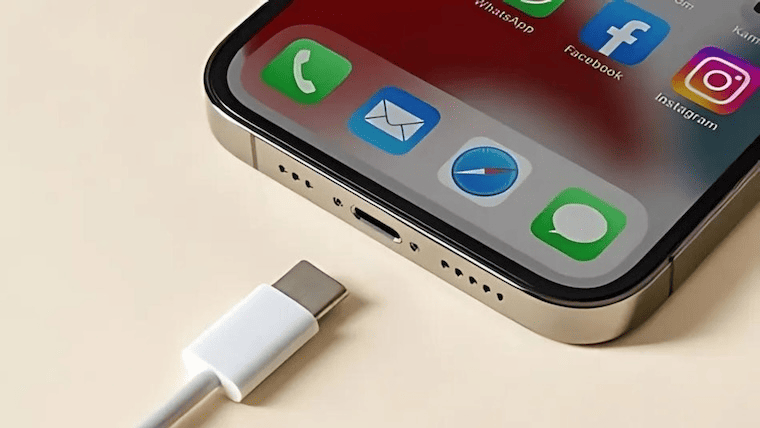
Charging has also seen enhancements; supporting MagSafe charging at up to 25W allows for faster wireless charging compared to previous models. Additionally, Apple has made strides in repairability with this model; it received a score of 7/10 from iFixit for ease of repair — an improvement over earlier generations.
The camera system on iPhone 16 includes a robust set-up featuring a main 48MP sensor alongside a 12MP ultra-wide lens. While it lacks optical zoom capabilities compared to Pro models (which feature advanced telephoto lenses), it still delivers excellent image quality with improved low-light performance due to AI enhancements.
New features like Photographic Styles further expand the degree to which users can personalize their photography, offering in-camera options for applying different color profiles. Meanwhile, the addition of Audio Mix support boosts the recording capabilities further by allowing audio adjustments in relation to the ambient environment.
Competitively, iPhone 16 comes at a starting price of $799 for its base model with 128GB storage. In relation to the set of features and performance enhancement over predecessors, this price seems quite reasonable for its class. For those who want larger screens and longer battery life, there’s also an option to settle for the high-end variant of iPhone 16 Plus at $899.
Lastly, although iPhone 16 may just seem to be an iterative upgrade for some users rather than truly revolutionary, surely it brings notable boosts in many fields such as design, performance, cameras, and even battery life. For users looking to get a reliable phone that would balance advanced technology with ordinary usage, iPhone 16 is an outstanding choice among Apple devices.

|
1. A powerful A18 chip enriches the performance of the phone. |
|
|
2. Beautiful OLED display with bright colors. |
|
|
3. Enhanced camera system gives improved photography. |
|
|
4. New button for camera control makes shooting easier. |
|
|
5. Light in weight and easy to carry. |
|
|
6. Variety of colors for selection. |

|
1. Refresh Rate of 60Hz has disappointed many customers. |
|
|
2. High prices for higher storage versions. |
|
|
3. No provision for optical zoom. |
|
|
4. Battery Life is not ideal for heavy users. |
|
|
5. The camera button is a bit inconvenient to use. |
|
|
6. No option for an always-on display. |