 Click Allow to get more information on Of Phone Services for free!



Common Reasons for Lifeline Application Denials
Advertisement
The Lifeline program is a critical US government program that offers discounted phone and internet (broadband) service to people with low incomes. Although many applicants get approved, few are denied and the reasons are many. By learning about these common pitfalls, you can be sure to prevent your application from being denied and increase your chances of success.
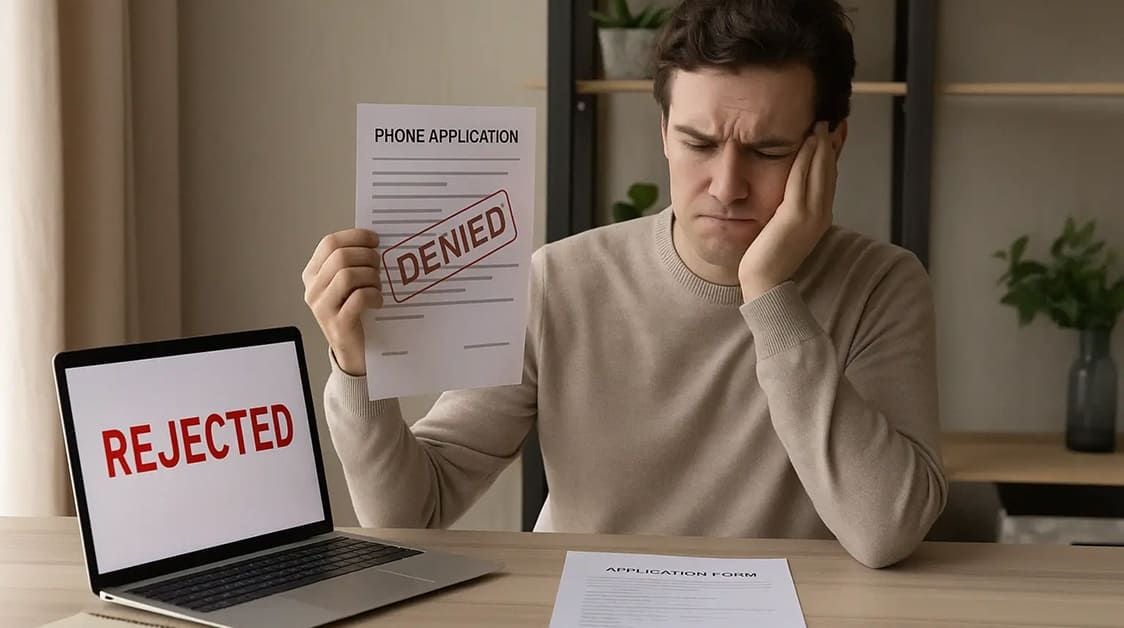
1. Disqualified Because of Income
The main cause rejections and denials for Lifeline is that the applicant is either deemed ineligible by participation or removed from eligibility due to income. Those who apply for the Lifeline program must make at or below 135% of the federal poverty guidelines or participate in some of the assistance programs, including Medicaid, SNAP (Supplemental Nutrition Assistance Program) or Supplemental Security Income. Applications can be rejected if the applicant earns too much or doesn't provide satisfactory evidence of being enrolled in an eligible program.
2. Incomplete Materials or False Information
What is more, a lot of the content maybe half done or have false information. The Lifeline application process needs to see proof of eligibility to apply, including pay stubs, tax returns or benefit award letters. If the documents sent are not legible, out-of date, or do not correspond with the information given on the application, the request may be rejected. And forms without signatures, or forms the signatures of which are marked through, will be rejected automatically.
3. Duplicate Enrollment
The applicant’s enrollment application for Lifeline being a duplicate, or already receiving Lifeline benefits may also result in a denial. The Lifeline program is limited to one discount per household, which means if someone else at the same address is already signed up, a new application will be denied. Some applicants also make the mistake of applying more than once, through various providers, violating program rules and receiving a denial.
4. Not Re-certifying Annually
Not re-certifying annually is another frequent way to lose Lifeline benefits. Participants have to re-certify their eligibility annually to continue getting aid. Their benefits can also be cut if they let the re-certification period expire or ignore verification requests. In other words, being approved by the Lifeline Assistance Program doesn’t mean that you have nothing to worry about, because the Lifeline Program is not permanent, you need to re-certify every single year, or you will be removed from the aid list.
5. Fraudulent Applications
Finally, fraudulent applications or the abuse of the program can result in sever rejections. The FCC regularly seeks out fraud for example, lying about income or false identity. Applicants could also be permanently barred from the program if found to have falsified such personal information.
In order to reduce these risks, the applicants have to read the eligibility clearly, to submit correct paper work and to follow the guidelines of Lifeline. Those that believe they were denied for no reason have the option to appeal their decision by speaking with the Lifeline Support Center or their service provider. By knowing these typical challenges, claimants can be prepared to receive this important benefit.